
High-performing teams are becoming the backbone of successful organizations, and the Forbes Best Teams Ranking provides a lens through which we can examine what makes these groups thrive. Rather than focusing on individual achievements, the ranking emphasizes how collaboration, innovation, and strong leadership combine to drive lasting organizational impact.
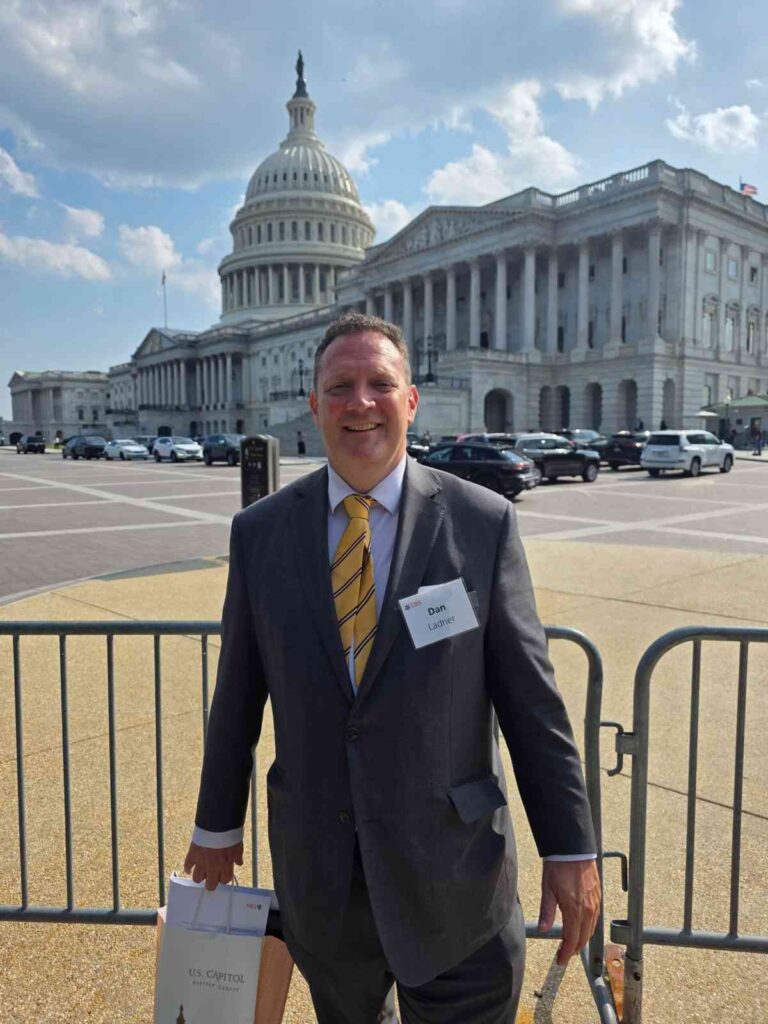
Moreover, Daniel Ladner says it showcases a shift in business culture—one that values adaptability, shared values, and continuous development. By studying the traits and behaviors of top-ranked teams, business leaders can gain practical insights into building resilient, effective teams that outpace competition and respond to change with agility.
Patterns Among Top-Ranked Teams
Teams that consistently appear in the Forbes rankings often come from industries known for rapid innovation and high stakes—technology, healthcare, and finance among them. These teams aren’t just hitting performance targets; they’re redefining what excellence looks like in their fields. Whether it’s a product development team launching groundbreaking software or a healthcare group coordinating complex patient care, the common thread is a commitment to collaboration and accountability.
A closer look reveals patterns that go beyond industry. High-ranking teams tend to foster open communication, value different thoughts, and invest in long-term relationships between members. These traits help them navigate uncertainty and stay aligned on strategic goals, even as market demands shift quickly.
Core Elements of Team Success
Behind every high-performing team lies a foundation of strong communication and clearly defined roles. When members know their responsibilities and can rely on one another, trust builds organically, and decisions are made with speed and confidence.
Adaptability is just as crucial. High-functioning teams typically embrace change, viewing it as an opportunity rather than a disruption. A culture that encourages experimentation often leads to innovative breakthroughs, while also helping teams bounce back from setbacks more efficiently. This mindset not only drives performance but also attracts top talent seeking a dynamic and supportive work atmosphere. Teams that thrive tend to see challenges not as threats but as chances to grow.
Assembling a High-Performing Team
Any effective team starts with intentional hiring. Selecting individuals who bring both technical expertise and a collaborative mindset ensures that team dynamics are productive from the beginning. It’s not just about qualifications—it’s about how well someone complements the group’s rhythm and values. Some companies even incorporate team-based simulations during the hiring process to gauge compatibility.
Once in place, development plays a pivotal role. Teams that prioritize internal learning—whether through mentorship, cross-training, or shared resources—tend to outperform those that operate in silos. This continuous exchange of knowledge strengthens cohesion and keeps everyone aligned. Feedback loops are another pillar. When team members regularly receive and give constructive input, it creates an environment of mutual respect and growth.
Role of Leadership in Team Effectiveness
Leadership shapes how a team responds to pressure, adapts to change, and pursues growth. Leaders who foster autonomy while providing clear direction allow their teams to move quickly without sacrificing alignment. This balance of freedom and structure often leads to more engaged, resilient teams.
By modeling transparency and encouraging open dialogue, effective leaders set a tone that values trust and accountability. In times of uncertainty or transition, this groundwork becomes essential, allowing teams to remain focused and unified even when navigating unfamiliar terrain.
Practical Insights for Business Leaders
One common thread among top-ranked teams is a strong culture. Leaders who invest in defining and reinforcing shared values often see higher engagement and lower turnover. Those values become the compass by which decisions are made and conflicts are resolved. These cultural anchors also help sustain performance during leadership changes or market disruptions.
To strengthen any team, leaders can start by creating space for honest dialogue and continuous learning. Small shifts—like more inclusive meetings or recognizing team wins—can have a lasting impact on morale and performance. Over time, these everyday habits become the scaffolding for long-term success.
Get Latest News Live on Storify News along with Breaking News and Top Headlines from US News, Trump News, Taylor Swift and Travis Kelce, Kamala Harris, Entertainment, Technology and around the world.


